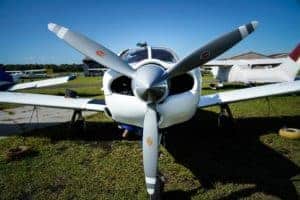

Tailwheel aircraft, also known as conventional undercarriage aircraft, require a significantly higher level of precision and control than standard training aircraft. With the centre of gravity positioned behind the main wheels, pilots must actively manage directional control throughout take-off and landing, making tailwheel flying one of the most demanding and rewarding forms of flight training.
At the Central Coast Aero Club, training is conducted in the Super Decathlon, a purpose-built tailwheel aircraft that provides immediate feedback and accelerates skill development. Combined with instructors who have extensive tailwheel experience, this ensures you develop the correct techniques and a high standard of aircraft control from the outset.
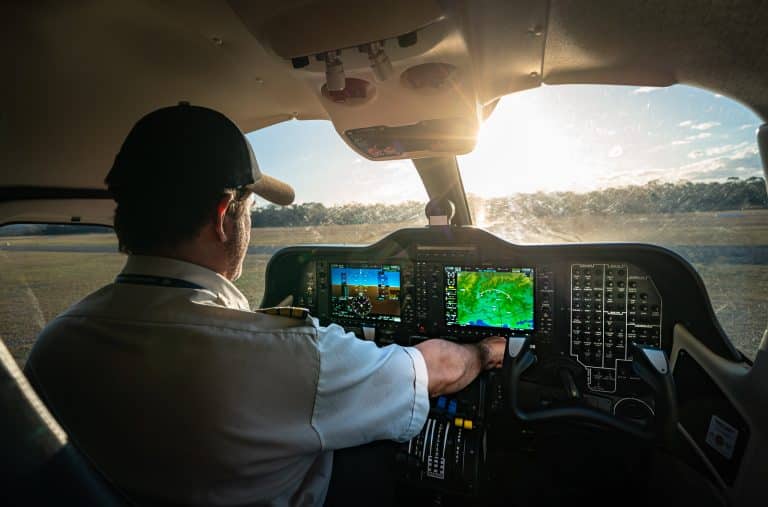
The course is designed to develop the skills required to safely operate tailwheel aircraft in a variety of conditions. You’ll learn how to manage ground handling, maintain directional control, and apply correct techniques during take-off and landing.
A strong emphasis is placed on precision, control inputs, and situational awareness. As your training progresses, you’ll develop the ability to operate the aircraft confidently while managing the unique characteristics of a tailwheel configuration.
Training includes both three-point landings and wheel landings, giving you the skills to handle a range of conditions and aircraft types. These techniques significantly improve your ability to control the aircraft during the most critical phases of flight and build confidence in managing directional stability.
Training is conducted in the Super Decathlon, a highly capable tailwheel aircraft from the Citabria family and widely regarded as one of the best platforms for developing precise handling skills. Its responsive controls provide immediate feedback, helping you refine coordination and accuracy throughout your training.
The aircraft is aerobatic certified and also equipped with a constant speed propeller, making it an ideal platform to combine training with additional endorsements such as Manual Propeller Pitch Control (MPPC), spinning, or aerobatics, depending on your progression.
To commence the Tailwheel Endorsement, you must hold at least a Recreational Pilot Licence (RPL) and appropriate medical.
A solid standard of general aircraft handling is expected, as this endorsement builds on your existing skills and introduces more precise control requirements.
| Component | Approximate Cost |
|---|---|
| Tailwheel Endorsement | $3,420 |
| Pricing is based on average hours of completion, hours may be lower or higher depending on competency level. Any additional hours required will be invoiced at the applicable rate. Please note the aircraft utilsed for training also has a constant speed propellor, so students who don’t hold an MPPC endorsement would need to complete this also. | |
You’ll train with instructors who have extensive tailwheel experience and a strong focus on precision flying. Their real-world knowledge ensures you develop the correct techniques from the outset, particularly during take-off and landing where accuracy and timing are critical.
Train in the Super Decathlon and develop the control, accuracy, and confidence required to operate tailwheel aircraft safely in all conditions. Speak with our team today to plan your training and start building skills that will carry through every stage of your flying.
Training is competency-based, however most pilots complete the endorsement within a few hours of flight time plus associated briefings. The exact duration will depend on your experience and how quickly you develop the required level of precision and control.
Yes, you must hold a Tailwheel Endorsement before operating aircraft fitted with a tailwheel undercarriage.
You’ll learn how to safely operate a tailwheel aircraft with a focus on ground handling, directional control, and take-off and landing techniques. This includes both three-point and wheel landings, as well as managing crosswind conditions.
Tailwheel aircraft are less forgiving and require more precise control, particularly during take-off and landing. Most pilots find it challenging initially, but it is highly rewarding and significantly improves overall flying ability.
Training is conducted in the Super Decathlon, a highly capable tailwheel aircraft known for its responsive handling and suitability for advanced flight training.
Yes, tailwheel training pairs well with other endorsements such as spinning, aerobatics, and Manual Propeller Pitch Control (MPPC), allowing you to progress into more advanced aircraft efficiently.
Yes, tailwheel training is widely regarded as one of the best ways to improve coordination, control, and situational awareness. The skills developed carry across to all aircraft types.
Let us know what you were trying to find and we’ll point you in the right direction.