
Central Coast Aero Club has been part of the region’s aviation landscape for over 50 years. What began in the early 1970s as a small group of passionate aviators has grown into a well-established flying school and aviation community, based at Warnervale Airport on the Central Coast of New South Wales.
The club operates as both a CASA-approved flight training organisation and a not-for-profit aero club, combining structured, professional training with a long-standing community foundation. This balance creates an environment where students are supported not only through formal instruction, but also through a broader aviation culture that has developed over decades.
Today, Central Coast Aero Club trains pilots across all stages of their journey — from those stepping into an aircraft for the first time through to those progressing toward advanced licences and professional pathways. At the same time, it remains a place for recreational pilots and aviation enthusiasts, maintaining the community-driven identity it was built on.
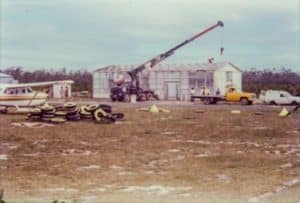
Central Coast Aero Club has been part of the aviation community on the NSW Central Coast for more than 50 years. Established in the early 1970s, the club grew from a small group of passionate local aviators who worked together to help develop aviation facilities at Warnervale Airport into what has become one of the region’s best-known flight training and recreational aviation destinations.
The airport was originally cleared and constructed voluntarily by local aviation enthusiasts at no cost to the Central Coast community. The first aircraft landed at Warnervale in 1973 and the airport has continued to grow ever since through the efforts of passionate local pilots, instructors and volunteers who helped establish aviation on the Central Coast.
One of the original members involved in the development of the airport was Jack Grant, whose contribution to local aviation is still recognised today through the naming of Jack Grant Avenue, the main road servicing the airport precinct.
Over the decades, Central Coast Aero Club has evolved from a small community flying club into a respected flight training organisation supporting recreational, private and commercial pilot training while still maintaining the welcoming and community-focused atmosphere that has always been part of its identity.
Recipient of the 2022 CASA Wings Award – Aero Club of the Year, Central Coast Aero Club continues to be recognised for its contribution to aviation safety, pilot training and the broader general aviation community.
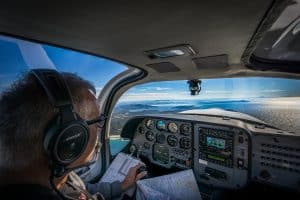
The club has built a strong reputation for practical, real-world flight training supported by experienced instructors, well-maintained aircraft and a safety-focused operational culture designed to support students at every stage of their aviation journey.
The Central Coast Aero Club’s instructors bring together tens of thousands of hours of flight time and instructional experience across recreational, private and commercial aviation training. Over the decades, the club has trained thousands of pilots across Australia, with former students progressing into airline operations, Air Force fast jet operations, charter flying and advanced flight instruction roles throughout the industry.
Former students have gone on to fly aircraft including the Qantas A380 fleet, while internationally recognised aerobatic pilot Matt Hall completed his early flight training through the club. As a CASA approved flight training provider, instructors continue to maintain current industry knowledge and professional standards through ongoing development and aviation training organisations.
This experience helps provide students with practical, real-world aviation training in a supportive environment focused on building confidence, sound decision-making and safe flying habits from the very beginning.
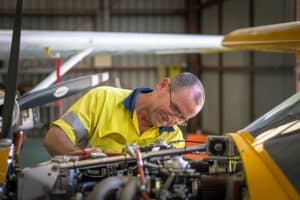
Aircraft are maintained to a high standard by experienced maintenance professionals, supported by structured maintenance programs and ongoing inspections. Operational procedures are designed to ensure consistency across all aspects of flying and training, from pre-flight preparation through to post-flight processes.
Instruction places a strong emphasis on decision-making, situational awareness, and the development of sound judgement. Students are trained not only to operate aircraft, but to understand the environment they are operating in and to manage risk appropriately.
Over more than five decades of operation, Central Coast Aero Club has maintained a strong safety record, reflecting a consistent and disciplined approach across both training and maintenance. This record is the result of long-term adherence to established standards rather than short-term measures.