How to Convert an RAAus RPC to a CASA RPL

CASA recognises an eligible RAAus Pilot Certificate as equivalent to a Recreational Pilot Licence (RPL) for the purposes of issuing the licence.
That makes the transition from an RPC to an RPL relatively straightforward. However, there are some important differences between the RAAus and CASA training systems, and depending on your previous training and endorsements, you may need some additional training before exercising all of the privileges you want under your new RPL.
RPC and RPL – what's the difference?
An RAAus Recreational Pilot Certificate and a CASA Recreational Pilot Licence allow recreational pilots to operate within their respective aviation systems.
The RPC is issued by Recreational Aviation Australia and primarily provides privileges for operating RAAus-registered recreational aircraft.
The RPL, on the other hand, is a flight crew licence issued by the Civil Aviation Safety Authority (CASA) under CASR Part 61.
For an RPC holder wanting to transition into the CASA system, the important point is that CASA recognises qualifying pilot certificates issued by sport aviation bodies.
Under regulation 61.480 of CASR Part 61, an eligible pilot certificate holder is taken to have passed the RPL aeronautical knowledge examination and RPL flight test requirements.
In other words, you don’t normally have to start again, sit the RPL theory exam again or undertake another initial RPL flight test simply because you’re moving from an RPC to an RPL.
So is it simply a straight swap?
Broadly speaking, yes – but there are some caveats.
CASA’s current process for an eligible RAAus Pilot Certificate holder is to:
- Apply for an RPL in recognition of the pilot certificate using CASA Form 61-1RTX.
- Provide CASA with the required evidence of your existing qualifications and experience.
- Complete the appropriate flight review for your aircraft rating.
Your existing qualifications determine which ratings and endorsements can be recognised and transferred.
Your aeroplane category rating, aircraft class rating and applicable design feature endorsements can transfer across to the CASA licence.
The practical issue is that the competency standards of the two systems aren’t necessarily identical in every area. A flying school therefore needs to look at what you have actually been trained and qualified to do, rather than simply looking at the letters “RPC” in your logbook.

The RPC-to-RPL pathway: CASA recognises eligible RAAus qualifications, with additional training completed where required before the relevant flight review.
The instrument flying difference
One area RPC pilots may encounter during the transition is basic instrument flying.
This shouldn’t be confused with obtaining an instrument rating or learning to fly under the Instrument Flight Rules (IFR). An RPL remains primarily a VFR qualification.
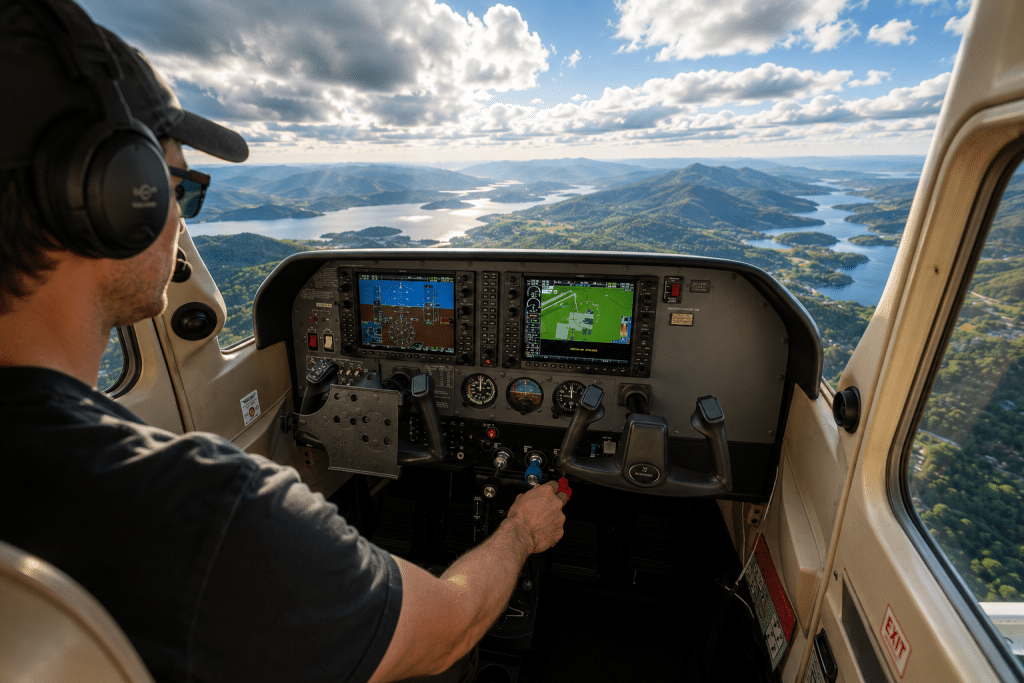
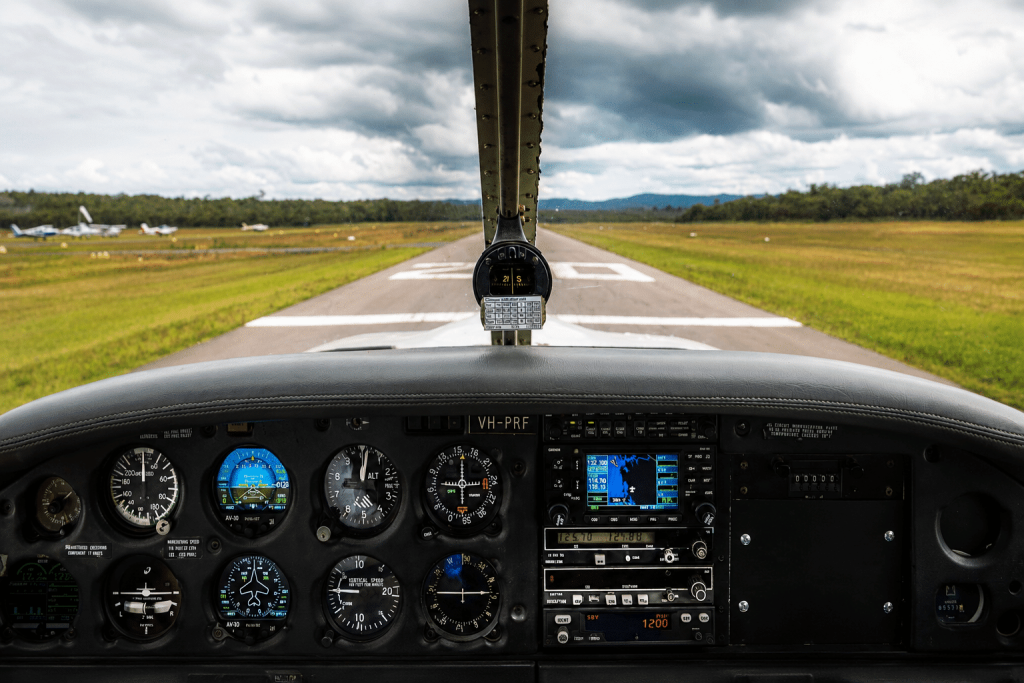
Basic instrument flying training is intended to give a VFR pilot the skills to maintain control of the aircraft by reference to the flight instruments if visual reference is inadvertently lost.
Historically, CASA’s GFPT qualification (predecessor to the RPL) requirements specifically included two hours of dual instrument time, including at least one hour conducted in flight.
That prescribed hourly requirement has since been removed from the current regulation. However, the relevant Part 61 competency standards still need to be considered when transitioning an individual pilot.
Consequently, an RPC holder who has never received instrument flight training may require some additional training before being assessed as meeting the applicable CASA competency standard.
Pilots will need to bridge this gap by undertaking some IF training (including a ground briefing), before confirming the standard during a flight review (discussed next). At Warnervale, we are able to utilise our CASA approved synthetic flight trainer to provide some of this training – keeping the total cost down.
The amount of training required will depend on the pilot’s previous training, experience, qualifications and demonstrated competency. Normally you would expect around 1.5 to 2 hrs.
For an experienced pilot, it may be relatively straightforward. Someone with little or no exposure to flight solely by reference to instruments may require additional time.
What about your RAAus Cross Country endorsement?
This is another significant benefit of the conversion process.
If your RAAus Pilot Certificate includes an appropriate cross-country navigation approval, you may also be eligible to have a Recreational Navigation Endorsement (RPNA) included with your RPL.
CASA currently requires the applicant to hold the appropriate cross-country approval and to have completed the required solo cross-country experience.
This includes at least five hours of solo cross-country flight time, with the required qualifying cross-country flight.
If those requirements are satisfied, you don’t necessarily have to repeat navigation training simply because you’re moving into the CASA system.
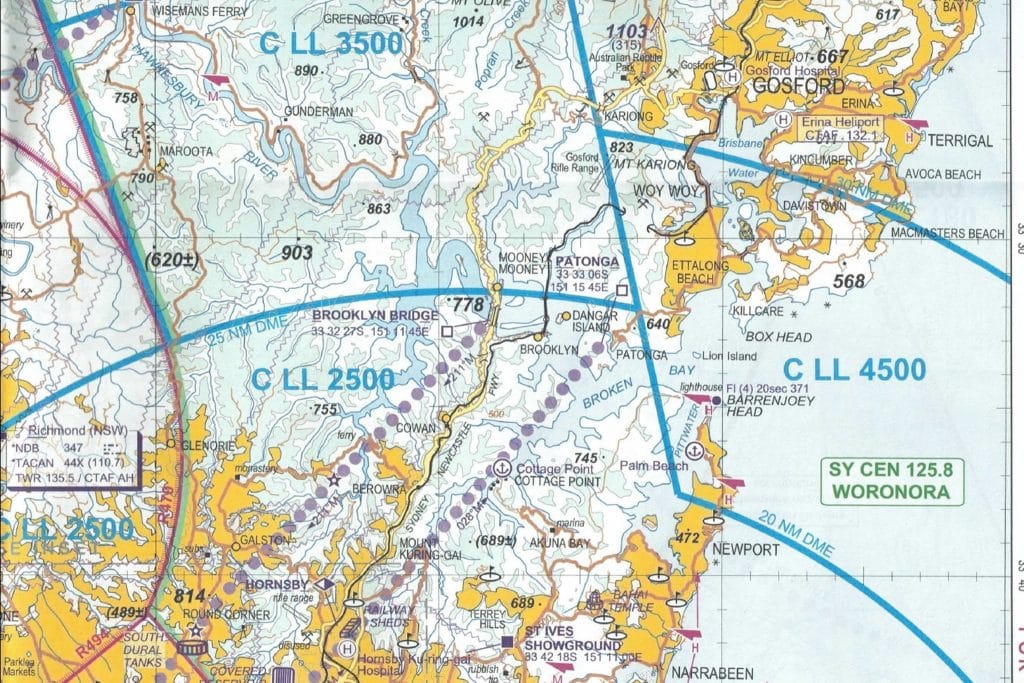
Without a Recreational Navigation Endorsement, an RPL holder is generally limited to operating within 25 nautical miles of the departure aerodrome, within the flight training area, or along the route between the aerodrome and training area.
The navigation endorsement removes that limitation and allows the RPL holder to conduct cross-country flights.
What other endorsements can transfer?

Depending on the approvals held on your RAAus certificate, CASA may also recognise privileges corresponding with:
Controlled Aerodrome Endorsement (RPCT)
Allows an RPL holder to operate as pilot in command at a controlled aerodrome.
Controlled Airspace Endorsement (RPCA)
Allows an RPL holder to operate as pilot in command in controlled airspace.
Flight Radio Endorsement (RPFR)
Allows the holder to operate an aircraft radio on aviation safety frequencies. An appropriate aviation English language proficiency assessment is also required.
Recreational Navigation Endorsement (RPNA)
Allows the holder to conduct cross-country flights beyond the normal RPL 25 NM limitation.
Exactly what CASA recognises will therefore depend on the qualifications and endorsements you already hold.
What happens during the flight review?
Although CASA recognises the RPC for the issue of an RPL, you’ll still need to complete the appropriate flight review before exercising the relevant aircraft rating privileges.
This is also where the transition becomes practical rather than simply administrative.
The instructor can review your previous experience and logbook, familiarise you with the aircraft you’ll be flying and identify any differences between your RAAus training and the Part 61 competency standards.
For someone transitioning from a typical RAAus training aircraft into a VH-registered aircraft such as a Cessna 172, this can also include familiarisation with the aircraft itself, its systems, performance and operating procedures.
The amount of flying required isn’t necessarily the same for every pilot.
The objective isn’t to make an experienced RPC holder repeat training they have already completed. It’s to ensure that when you begin exercising your CASA licence privileges, you’re competent and comfortable operating within the CASA system and in the aircraft you’ll be flying.
Do I need to sit another theory exam?
Generally, no.
This is one of the major advantages of the recognition pathway.
CASR 61.480 provides that an eligible sport aviation pilot certificate holder applying for an RPL is taken to have passed the RPL aeronautical knowledge examination and flight test.
That means an RPC holder isn’t treated in the same way as somebody starting an RPL course with no previous flying qualification.
There may, of course, be additional knowledge required for particular endorsements or privileges that you don’t already hold.
Do I need another RPL flight test?
Again, generally no.
For the purpose of granting the RPL under the recognition provisions, CASA treats an eligible RPC holder as having passed the RPL flight test.
Don’t confuse this with the flight review.
A flight test is the assessment normally undertaken to obtain a new licence or rating. A flight review is the periodic competency review required to exercise the privileges of an aircraft rating.
For an RPC-to-RPL conversion, CASA specifically identifies completion of the appropriate aircraft rating flight review as part of the process.
What does an RPL let me fly?
A CASA RPL allows you to act as pilot in command of eligible single-engine aircraft, subject to the ratings, endorsements and limitations attached to your licence.
For many RPC holders, one of the main reasons for making the transition is access to a much wider range of VH-registered General Aviation aircraft.
It can provide a pathway from recreational aircraft into aircraft such as the Cessna 172, while also bringing the pilot into the CASA Part 61 licensing system.
There are still limitations associated with an RPL, including restrictions concerning aircraft and operations, and additional endorsements are required for privileges such as controlled airspace, controlled aerodromes and cross-country navigation.
What about carrying passengers?
Passenger privileges are another area where it’s important to understand the applicable medical requirements.
An RPL holder’s passenger privileges can depend on the medical standard under which they’re operating.
For example, CASA permits broader passenger privileges where the pilot holds an appropriate Class 1 or Class 2 medical, while other medical arrangements can impose additional restrictions.
It’s therefore worth discussing both your intended flying and your medical options with the flying school before deciding which pathway best suits you.
Can I continue from an RPL to a PPL?
Absolutely.
For many recreational pilots, converting an RPC to an RPL isn’t necessarily the end goal.
It can be the bridge into the broader General Aviation system:

Once you’re operating within the Part 61 system, you can continue training towards a Private Pilot Licence if you want the additional privileges that a PPL provides.
Equally, there’s no requirement to continue to a PPL if an RPL provides everything you need.
For a pilot who simply wants to enjoy recreational flying in suitable VH-registered aircraft, an RPL may be quite sufficient.
How long does an RPC-to-RPL conversion take?
There isn’t a single answer because it depends heavily on the individual pilot.
An RPC holder who is current, experienced, holds the relevant RAAus endorsements and is already familiar with similar aircraft may require relatively little additional training.
Another pilot may need additional aircraft familiarisation, instrument flying training or work in other areas before being ready for the flight review.
That’s why the best starting point isn’t booking an entire course – it’s having your qualifications and flying experience assessed.
Bring your RAAus Pilot Certificate, endorsements and logbook to the flying school. An instructor can determine what transfers, identify any gaps and give you a much more realistic indication of the flying required.
The bottom line
Converting an RAAus Recreational Pilot Certificate to a CASA Recreational Pilot Licence is considerably simpler than obtaining an RPL from scratch.
CASA recognises an eligible RPC for the RPL pathway, so in most cases you aren’t repeating your original licence theory examination or RPL flight test.
Your existing category, class and eligible design feature qualifications can transfer, and some RAAus endorsements may also qualify you for the corresponding RPL endorsements.
There can, however, be differences between the training completed for an RPC and the competencies required within the CASA Part 61 system. Basic instrument flying is one example where some RPC pilots may need bridging training.
The sensible approach is therefore to treat the conversion as a recognition of the flying qualifications you already have, followed by enough additional training to address any genuine gaps.
For many RPC holders, that can make the move into VH-registered General Aviation aircraft much quicker and easier than they expected.