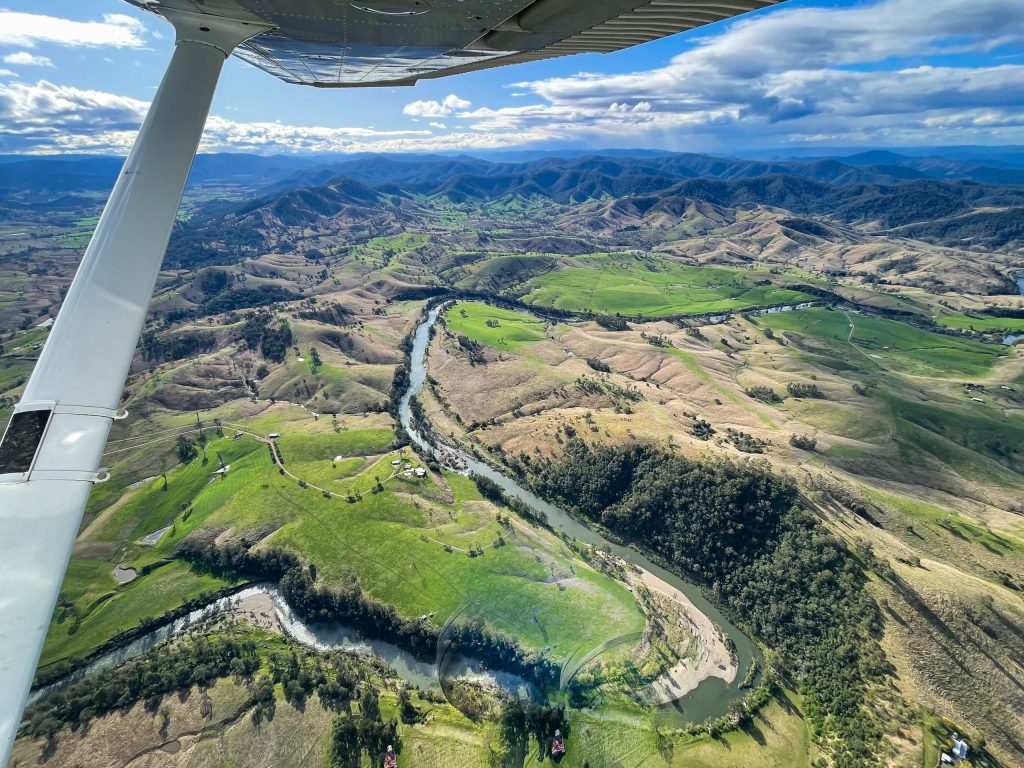
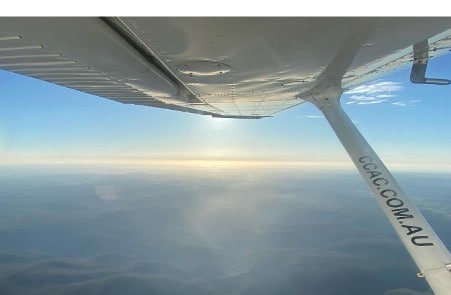
The road trip is a great Australian past-time thanks to the vast distances between our major cities. We really are spoilt for spacious landscape in this country, however a drive to the next major capital city is often a full-day’s undertaking or more, a round trip easily taking up a weekend, and that’s without activities along the way! If only these trips could be completed in a timelier fashion, leaving us more time to enjoy our destination; enter the Private Pilot’s Licence.
Let’s dive into what a PPL involves, the steps to get one, the requirements, and the privileges it grants to the pilot.
What is a Private Pilot’s Licence (PPL)?
A PPL removes the weight and distance limitations of an RPL licence, granting the holder permission to fly an Australian registered aircraft in private operations anywhere in the country (and indeed, the world). This takes the pilot beyond being able to fly just for the fun of it and allows them to utilise an aircraft for purpose, that being the transport of people and belongings over distance.
Steps to Obtain a PPL
The PPL training syllabus builds on the skills obtained in the RPL, incorporating navigation and controlled airspace procedures. The minimum age required to be issued a PPL is 17. You can start your training before this (the same as starting RPL training before you turn 16) provided you turn 17 before the PPL Flight Test.
As with exercising the privileges of any aircrew licence, you’ll still need to hold a valid medical certificate. More information on aviation medical requirements can be found here:
Aviation medicals and certificates | Civil Aviation Safety Authority
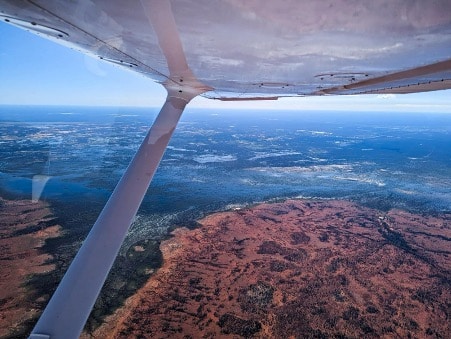
Steps in Your Training:
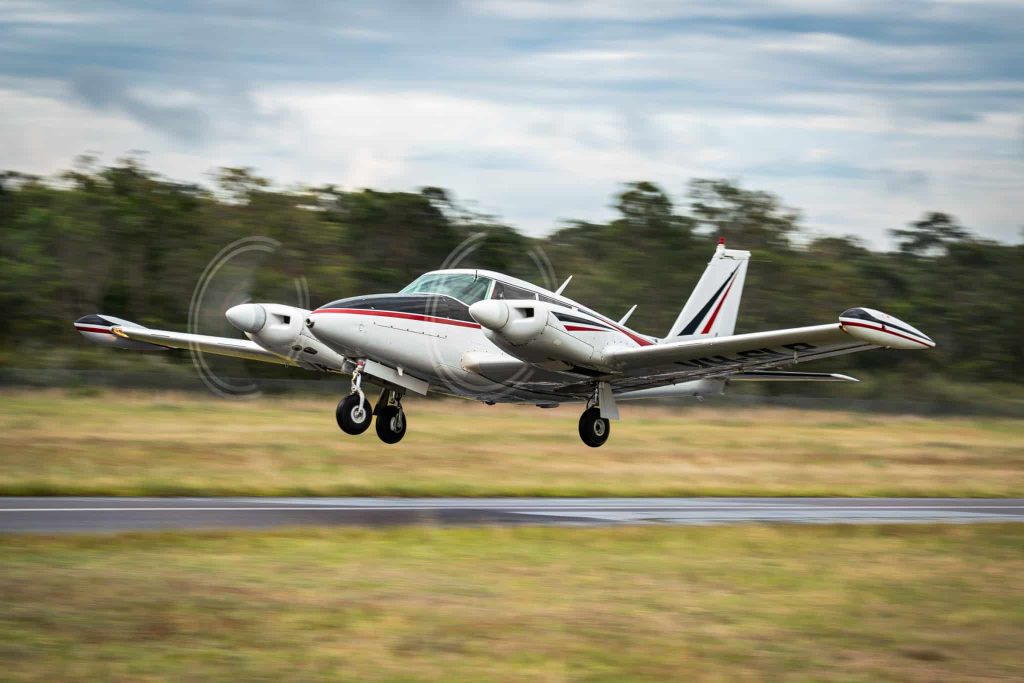
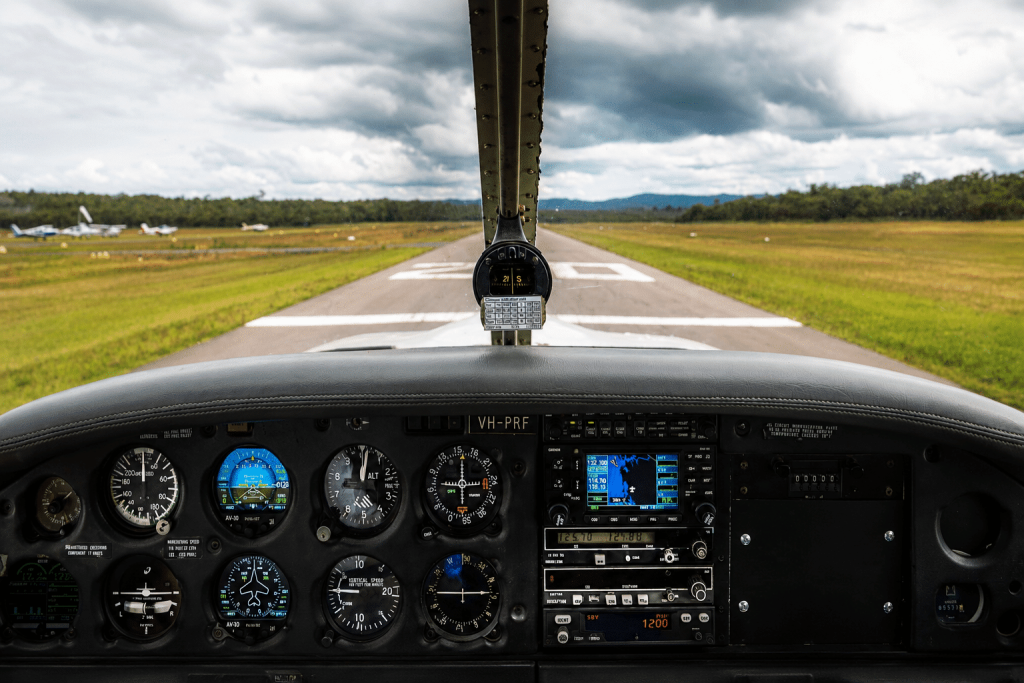
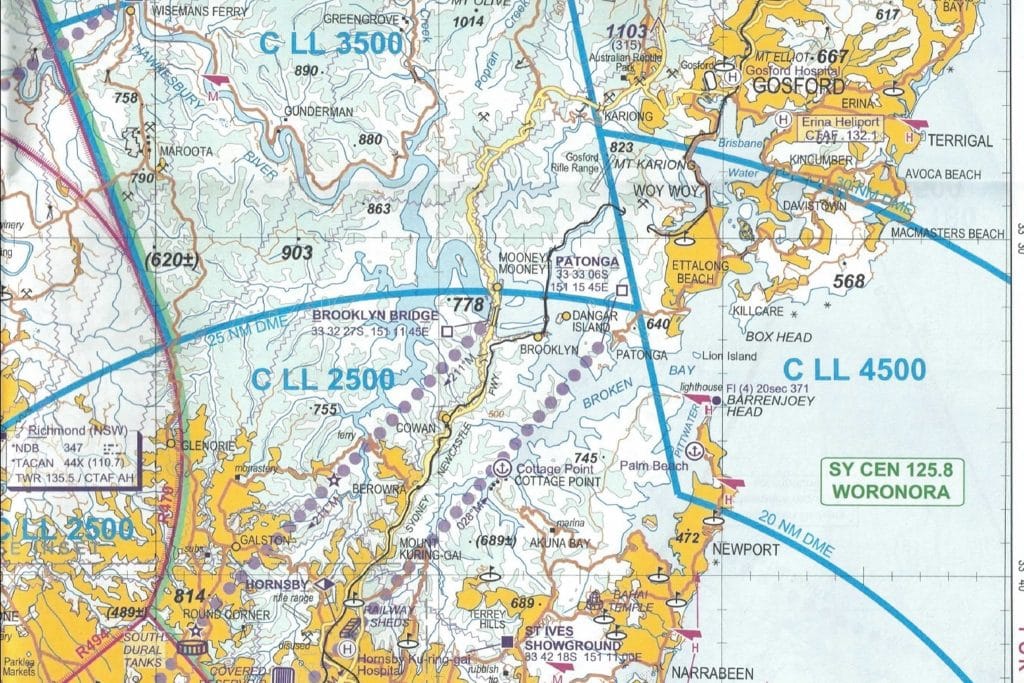
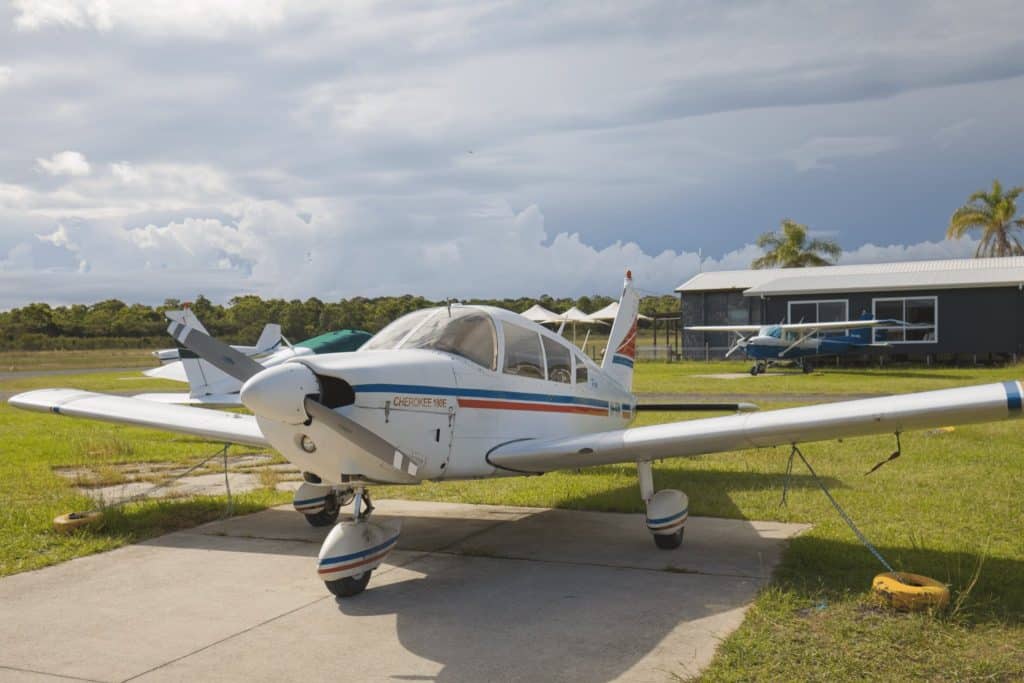
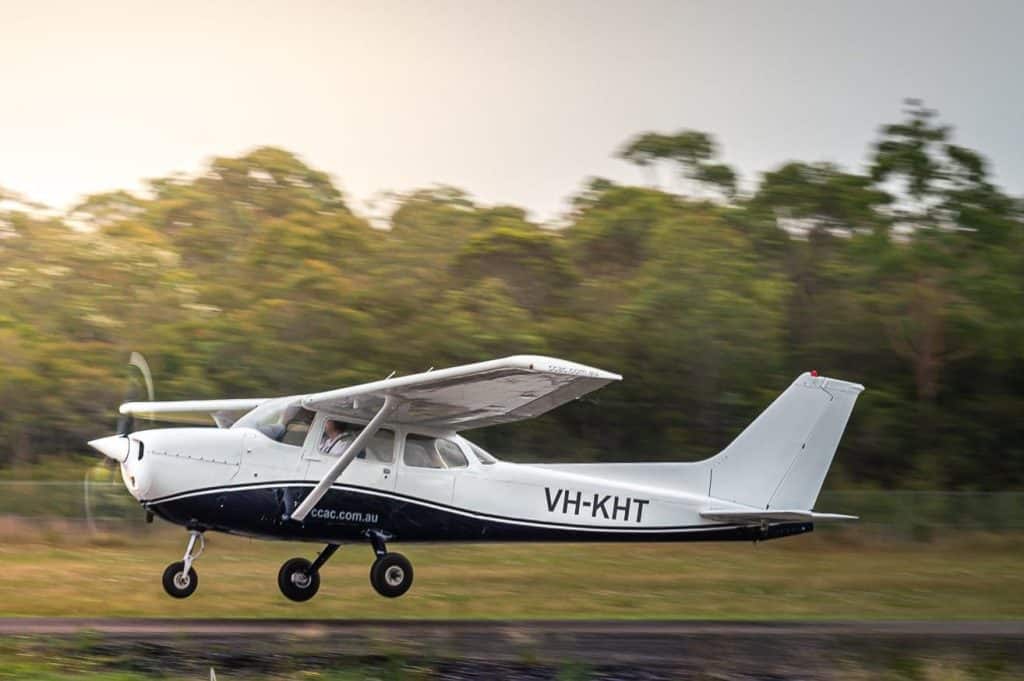
The first step in your PPL training, if you’ve conducted your RPL training in a smaller aircraft, is to get you checked out on a larger aircraft capable of carrying enough fuel and travelling fast enough to cover meaningful distances. At the CCAC, this usually means a step up from a Cessna 150/152 to either a Cessna 172, or a Piper Cherokee. Once checked out on a “touring aircraft”, you will begin to learn the fundamentals of navigation and flight planning. Moreso than for an RPL Licence Holder, the ability to read and interpret aeronautical charts, meteorological forecasts, and other briefing documents becomes vital not only to the successful completion of a flight, but to its safe and efficient conduct. The theory for these skills can be self-studied with guidance from our instructors, or you can attend one of our dedicated PPL theory courses.
At the CCAC, we also have a certified flight simulator that allows us to simulate certain higher-intensity portions of navigation flights on the ground where we can pause, rewind, reposition, and discuss the operation of the aircraft in a low-stake environment before climbing into an actual aircraft. Many students have found this to be a far-less intimidating approach to navigating as the workload jumps significantly from the RPL to the PPL pilot level.
Flying Hours:
A minimum of 35 total flight hours must be obtained by the pilot. This is the legal minimum set by CASA, however experience across the industry has shown that students rarely (if ever) obtain a PPL in this time frame, with the average student of average competency taking closer to 60-70 hours (inclusive of RPL Training Hours – approx. 30-35hrs). As flying operates on a competency-based syllabus, everyone will require a different amount of time to reach the required standards of their training.
Examinations:
There is only one theory exam for the PPL; this is set by the aviation regulator, CASA. It is a ‘cyber-exam’ which means it is conducted on a computer under the supervision of a qualified invigilator. There are numerous testing centres throughout Australia where they cyber exam can be conducted. The CCAC is an approved testing centre, and we have two exam invigilators on staff.
Flight Test:
This is where you show a testing officer all you have learnt in your practical and theoretical studies up to this point! Although it is assumed that you will know how to operate an aircraft by now, you will still need to demonstrate proficiency in the same basic flight manoeuvres that were assessed in the RPL (aerodynamic stalls, steep turns, basic instrument flying, simulated emergency conditions) as well as the ability to safely navigate an aircraft
Assuming you pass your flight test, once CASA has processed your application you will be issued a Private Pilot Licence.
Keeping Your Licence Active
To keep your PPL valid, you’ll need to complete a flight review every two years with a qualified flying instructor. This review is similar in content to your flight test, but is only a review, so can include some elements of training and instruction by the flying instructor.
Additionally, if you are carrying passengers, you will need to have performed at least three take-offs and landings in the previous 90 days.
You will also need to keep your medical certificate current, as well as have a current aviation security check.
Conclusion
Getting a Private Pilot’s Licence (PPL) is an exciting next step in your aviation journey that opens up a world of possibilities.
Once you obtain your PPL, you can add endorsements such as aerobatics or formation flying, or design feature endorsements (retractable undercarriage, manual propeller pitch control, tailwheel, etc). There are also flight activities you can add to your licence, such as Night Flying or Instrument Flying that will again expand your abilities in the aircraft.
You can even progress to a full Commercial Pilot Licence (CPL), a professional qualification, which allows you to be paid to fly.
Ready to take the first step?
We are always happy to sit down for an obligation free discussion over a coffee and go through any questions you may have. More information, including current average cost, is available on our web page here:
Private Pilot’s Licence (PPL) – Central Coast Aero Club
The Central Coast Aero Club is conveniently located midway between Sydney and Newcastle (within 1 hour of each), on the beautifully scenic Central Coast, just off the M1 motorway at Warnervale.
For an obligation free discussion about how we can help you attain your aviation goals contact the Central Coast Aero Club
See photos and videos of what we do on our social media channels: Facebook & Instagram